
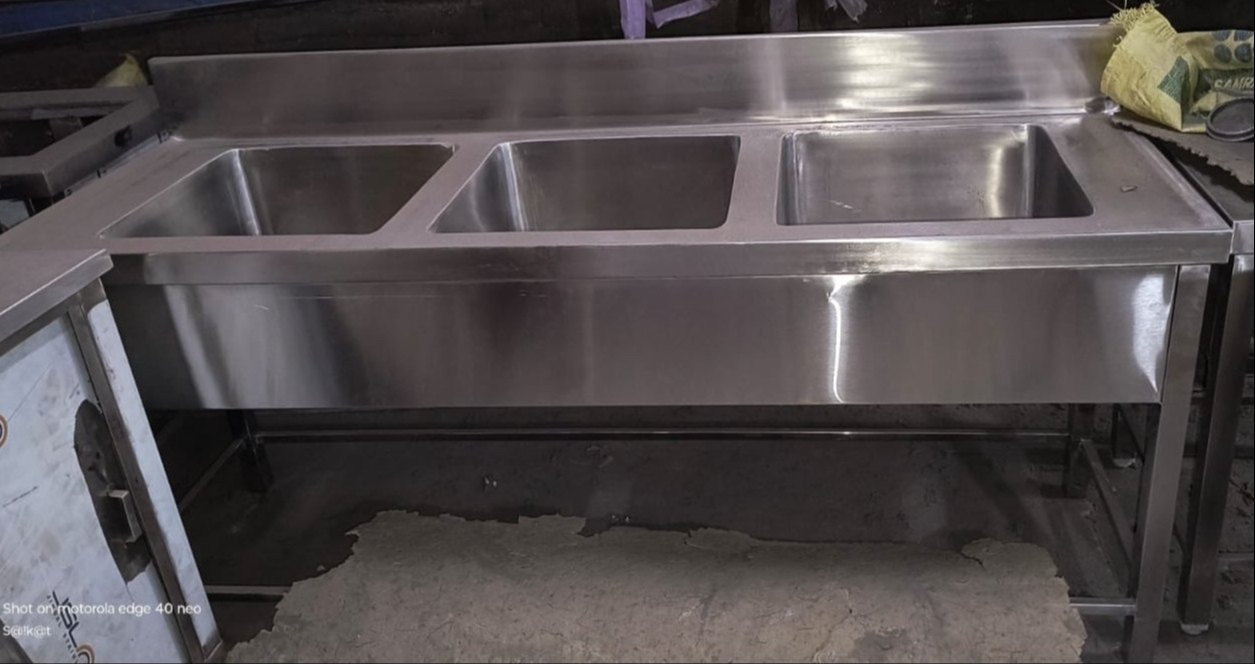
Choosing the right commercial sink is essential for any business that requires efficient and hygienic cleaning facilities. Whether operating a restaurant, healthcare facility, or manufacturing plant, selecting a sink that meets operational demands can improve workflow and maintain cleanliness standards. The first consideration should be the size and capacity of the sink to accommodate daily usage. Businesses with high volumes of washing or food preparation need larger sinks with multiple compartments to separate tasks such as washing, rinsing, and sanitizing. Smaller operations might find single-compartment sinks sufficient but must ensure they are deep enough to handle large pots or equipment.
Material plays a significant role in durability and maintenance. Stainless steel is the most popular choice due to its resistance to corrosion, ease of cleaning, and longevity under heavy use. It also withstands exposure to chemicals commonly used in commercial environments without degrading quickly. Other materials like cast iron or composite options may offer aesthetic appeal but often lack the robustness required for intensive use. When selecting stainless steel sinks, businesses should consider gauge thickness; thicker gauges provide greater strength but come at a higher cost.
The design of the sink affects both functionality and compliance with health regulations. Many commercial kitchens require sinks with specific features such as integrated drainboards for drying dishes or splash guards to prevent water from spreading onto floors where it could cause hazards. Some models include sound-deadening pads beneath the basin to reduce noise levels during busy periods. Additionally, businesses must verify local codes regarding handwashing stations versus utensil-washing sinks since these have different requirements.
Installation considerations involve plumbing compatibility and space constraints within your facility’s layout. It is crucial that water supply lines match faucet fittings and that drainage systems can handle waste efficiently without clogging or backups. Adjustable legs on many commercial sinks allow customization of height for ergonomic comfort while working long shifts.
Maintenance needs should not be overlooked when making a purchase decision. Sinks designed with smooth surfaces minimize dirt accumulation in crevices, reducing cleaning time while maintaining sanitation standards critical in food service environments or medical settings.
Ultimately, investing time in assessing daily operational needs alongside regulatory guidelines ensures you select a Commercial Sink that supports productivity while upholding hygiene protocols effectively over years of service use within your business environment.