
Winter can be particularly challenging for HVAC systems, which must work harder to maintain comfortable indoor temperatures. Ensuring your HVAC system is winter-proofed not only helps in maintaining a cozy home but also extends the life of the system and reduces energy bills. Here are some quick steps to prepare your HVAC system for the cold months ahead.
Firstly, replace or clean your air filters. Dirty filters restrict airflow, making your system work harder than necessary and reducing its efficiency. Ideally, filters should be replaced every one to three months, depending on usage and manufacturer recommendations. Clean filters ensure optimal airflow and reduce strain on the system.
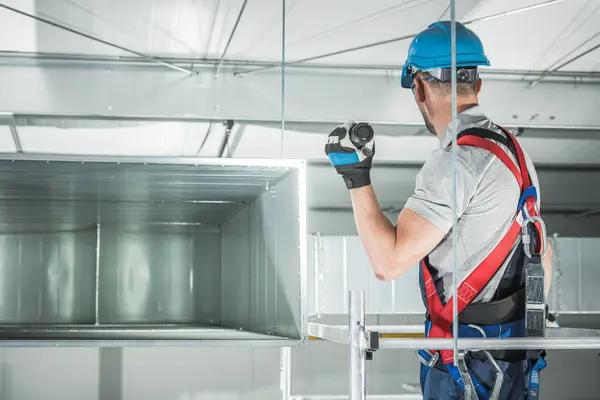
Next, inspect and seal any leaks in ductwork. Leaks can lead to significant heat loss and increased energy consumption as warm air escapes into unconditioned spaces instead of heating your home efficiently. Use mastic sealant or metal tape (not duct tape) to seal any visible leaks in ducts located in attics, basements, or crawl spaces.
Schedule a professional maintenance check-up before winter sets in fully. A certified technician will perform essential tasks such as checking thermostat settings, tightening electrical connections, lubricating moving parts, inspecting condensate drains, and ensuring all components operate correctly. This preventive measure helps identify get more insights potential issues that could lead to breakdowns during peak usage times.
Consider upgrading to a programmable thermostat if you haven’t already done so. Programmable thermostats allow you to set different temperatures for various times of the day or week according to your schedule. This ensures efficient use of energy by lowering temperatures when no one is home or during nighttime hours when less heating is needed.
Ensure that outdoor units are free from debris such as leaves or snow buildup which can obstruct airflow around them; this could cause overheating or other operational problems over time if left unchecked throughout winter’s duration period regularly clear away accumulated debris surrounding unit areas using brooms gently sweeping off surfaces without causing damage delicate fins present thereon while keeping at least two feet clearance space around these structures enabling proper ventilation processes occur unhindered thereby promoting longevity overall performance levels achieved therein contextually speaking herewithal too!