
As temperatures rise, the last thing any homeowner wants is an unexpected air conditioning breakdown leading to costly repair bills. Fortunately, there are several expert tips you can follow to help avoid these expensive repairs and keep your AC unit running efficiently.
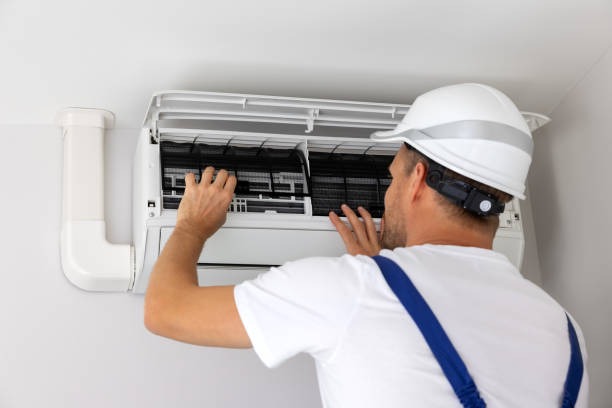
First and foremost, regular maintenance is crucial. Scheduling annual professional check-ups for your AC system can prevent many common issues from developing into serious problems. During these visits, a technician will thoroughly inspect and clean components such as coils, fins, and filters. This not only extends the life of your unit but also ensures it operates at peak efficiency.
Changing or cleaning your air filters regularly is another simple yet effective way to maintain your AC system’s health. Clogged or dirty filters restrict airflow, causing find out the benefits system to work harder than necessary. Experts recommend checking filters monthly during peak usage times and replacing them every one to three months depending on usage and filter type.
In addition to routine maintenance tasks like changing filters, homeowners should pay attention to their thermostat settings. Setting your thermostat too low can overwork the AC unit as it struggles to reach an unnecessarily cool temperature. Instead, aim for a moderate setting that balances comfort with energy efficiency—typically around 78 degrees Fahrenheit when you’re home.
Sealing leaks in ducts is another important step in maintaining an efficient cooling system. Leaky ducts can cause up to 30% of cooled air to escape before it reaches living spaces, forcing the AC unit to work overtime. Regularly inspecting ductwork for visible signs of wear or damage and sealing any leaks with mastic sealant or metal tape can improve airflow efficiency significantly.
Keeping outdoor condenser units clear of debris is essential for proper function as well. Leaves, grass clippings, dirt, and other debris can accumulate around the condenser coils outside your home, reducing their ability to release heat effectively. Make sure there’s at least two feet of clearance around all sides of the outdoor unit by trimming back shrubs or trees if necessary.
Finally, consider investing in a programmable thermostat if you haven’t already done so; this allows you greater control over indoor temperatures throughout different times of day without manually adjusting settings constantly—saving both energy usage costs long-term while reducing strain placed upon HVAC systems themselves due primarily toward fluctuations occurring within ambient conditions indoors relative those experienced externally outside structure being conditioned via mechanical means employed therein!
By following these expert tips diligently year-round rather than waiting until something goes wrong unexpectedly requiring immediate attention potentially resulting substantial financial outlay required rectify situation encountered unexpectedly beforehand!