
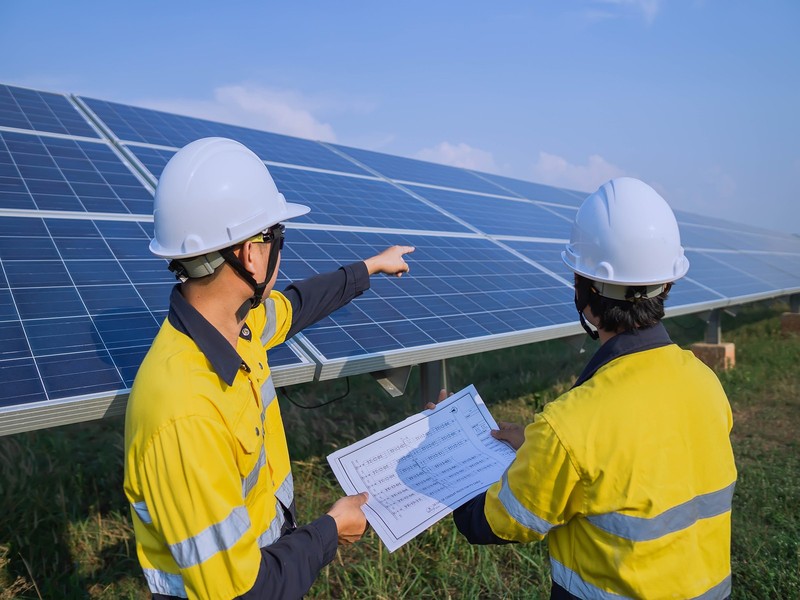
Scheduling solar installation and maintenance is crucial to ensure the efficiency and longevity of your solar power system. When considering how often you should arrange for these services, it is important to understand the distinct nature of installation and maintenance processes. Solar installation is typically a one-time event that occurs when you first decide to adopt solar energy for your home or business. This process involves assessing your property’s suitability, designing the system, obtaining necessary permits, installing panels and inverters, and connecting them to the grid if applicable. Once installed correctly by qualified professionals, your solar power system can operate effectively for many years with minimal interference.
However, while installation happens only once at the beginning of your solar journey, maintenance must be scheduled regularly to keep the system functioning optimally. Maintenance frequency depends on various factors including environmental conditions, panel type, location, and manufacturer recommendations. Generally speaking, it is advisable to conduct a professional inspection at least once every year or two. During this inspection, technicians check electrical connections for safety issues or corrosion and assess panels for damage such as cracks or discoloration that could affect performance.
In addition to professional inspections, routine cleaning plays an essential role in maintaining efficiency mens beach robe since dirt accumulation can significantly reduce sunlight absorption by panels. The need for cleaning varies depending on where you live; dusty regions may require more frequent attention compared to areas with regular rainfall that naturally washes away debris. Homeowners should monitor their systems visually every few months and clean panels when noticeable dust or grime builds up.
It is also wise to stay informed about any updates from your equipment manufacturers regarding software upgrades or component replacements that might improve performance over time. Some parts like inverters may have shorter lifespans than panels themselves and could require replacement after several years of use.
Ultimately scheduling both installation properly initially and committing to ongoing maintenance ensures maximum return on investment from your solar energy system while minimizing unexpected failures or costly repairs down the road. By adhering to recommended service intervals tailored by experts familiar with local conditions along with proactive care habits at home, users can enjoy reliable renewable energy production efficiently throughout their system’s lifespan without interruptions caused by neglect or unforeseen damage.
Regularly planned maintenance alongside a well-executed initial setup guarantees not only optimal functionality but also extends overall durability of solar installations under varying weather patterns across different geographic locations worldwide where these technologies are deployed successfully today.