
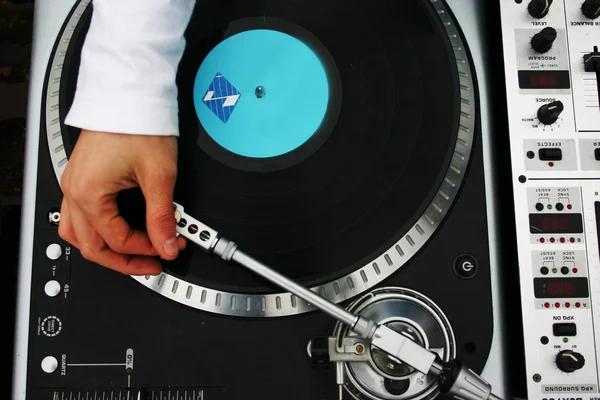
A professional wedding DJ plays a crucial role in shaping the atmosphere and energy of a celebration, guiding guests through various emotional phases from anticipation to exuberance. Their ability to control mood and energy throughout the event relies on a combination of technical skills, musical knowledge, and an understanding of human dynamics. From the moment guests arrive until the last song fades, an experienced DJ carefully curates soundscapes that support each stage of the wedding experience.
At the beginning of a wedding reception, DJs typically set a welcoming tone by selecting softer, more relaxed music that encourages conversation without overwhelming it. This helps guests feel comfortable as they settle dive in for more dinner or socializing. The choice often involves instrumental tracks or mellow vocal tunes that create an elegant background ambiance while allowing people to connect naturally. During this phase, volume levels are kept moderate so conversations can flow easily without straining voices.
As dinner concludes and attention shifts toward formalities such as speeches or toasts, the DJ adapts by lowering music volume further or pausing it altogether to ensure clarity and respect for speakers. Timing is essential here; professionals remain attentive to cues from hosts or coordinators so transitions happen smoothly without awkward silences or abrupt changes.
Once these structured moments end, the DJ gradually elevates energy by introducing livelier songs designed to encourage dancing and celebration. They read crowd reactions closely-observing body language and engagement-to select tracks that resonate with attendees’ tastes while maintaining momentum across diverse age groups and preferences. Mixing popular hits with classic favorites keeps everyone involved from young adults eager for contemporary beats to older guests enjoying nostalgic tunes.
Throughout this energetic period, pacing is key; DJs avoid playing high-intensity songs back-to-back without breaks but also steer clear of long stretches lacking excitement. By alternating tempos strategically-interspersing upbeat numbers with slower dances-they sustain enthusiasm over several hours without exhausting participants.
In addition to song selection and timing, professional DJs use equipment like microphones effectively during announcements or interactive segments such as games or bouquet tosses. Clear communication enhances guest participation and reinforces positive vibes within the space.
Ultimately, controlling mood at a wedding requires emotional intelligence combined with technical expertise in mixing music seamlessly according to real-time feedback from attendees. Skilled DJs act as facilitators who balance spontaneity with structure ensuring every moment feels special yet natural-a soundtrack tailored specifically for one unforgettable day shared among family and friends.