
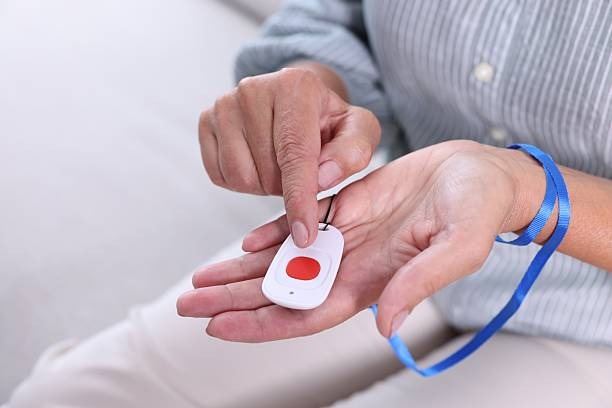
In the healthcare industry, effective communication between patients and medical staff is vital for ensuring timely response and high-quality care. Nurse call technology plays a crucial role in facilitating this communication, providing a reliable and efficient means for patients to alert nurses or caregivers when assistance is needed. This technology has evolved significantly over the years, integrating advanced features that enhance responsiveness and improve overall patient satisfaction.
Reliable communication through nurse call technology is essential for both patient safety and operational efficiency. Traditional nurse call systems often involved simple push buttons connected to a centralized nurse station. While functional, these systems had limitations, such as a lack of information about the urgency or nature of the call. Modern nurse call technology addresses these issues by offering intelligent features like priority-based alerts, two-way communication, and integration with mobile devices.
One of the key benefits of updated nurse call systems is their ability to prioritize calls based on urgency. For example, an emergency call from a patient experiencing severe distress can be flagged immediately, allowing nurses to respond faster. This prioritization helps reduce response times and ensures that critical situations are addressed promptly, potentially saving lives. Additionally, nurse call systems with two-way communication enable direct dialogue between the patient and the nurse, allowing for clearer understanding of the patient’s needs before physical intervention.
Integration with mobile devices and hospital information systems further enhances the reliability of nurse call technology. Nurses can receive alerts on smartphones or pagers, even when they are away from the nurse station, ensuring they are always reachable. This mobility increases staff productivity and ensures that patient calls do not go unanswered. Moreover, the data collected by nurse call systems can be analyzed to improve workflow, identify bottlenecks, and optimize staffing levels.
The use of wireless nurse call systems also contributes to more reliable communication by eliminating wiring issues and enabling easier installation and maintenance. Wireless systems can cover larger areas within healthcare facilities and support various types of alerts, including visual and auditory signals. This flexibility caters to different patient needs and facility layouts, enhancing the overall efficiency of the healthcare environment.
In summary, reliable communication through nurse call technology is a cornerstone of modern healthcare delivery. By leveraging advanced features such as call prioritization, two-way communication, mobile integration, and wireless capabilities, healthcare providers can ensure faster response times, better patient outcomes, and improved staff coordination. As healthcare demands continue to grow, investing in cutting-edge nurse call technology becomes increasingly important for maintaining high standards of patient care and operational excellence.