
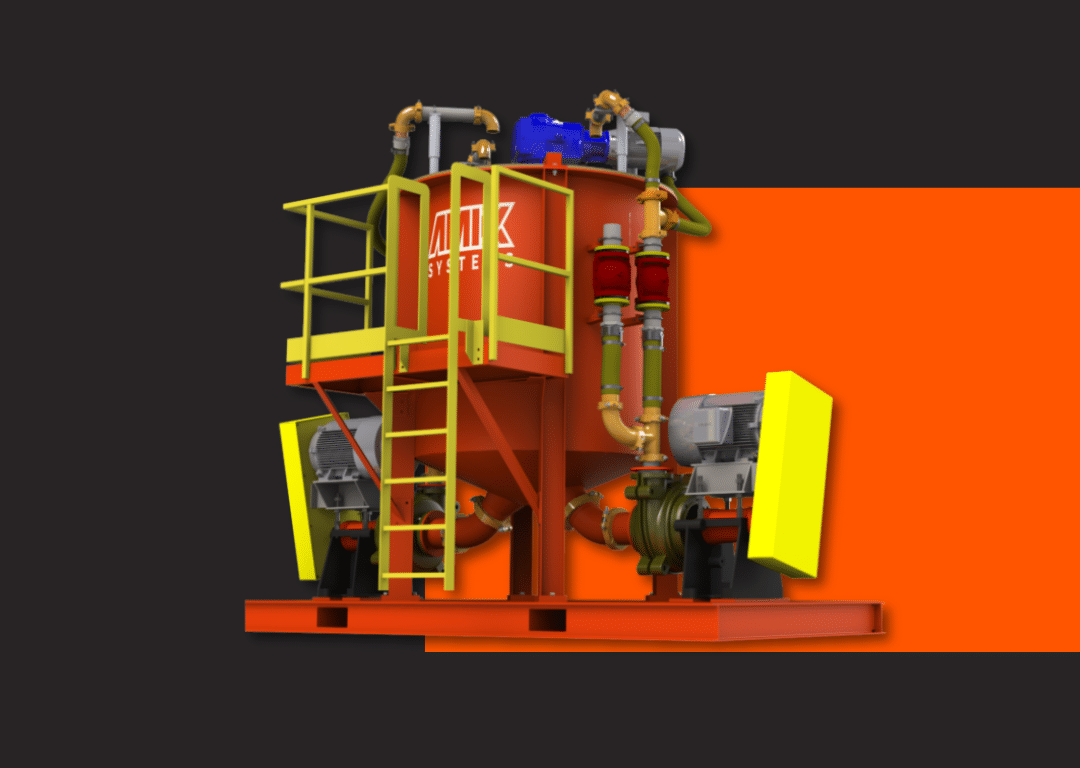
In the realm of modern construction, achieving uniformity and enhanced strength in concrete is paramount. One of the essential pieces of equipment that facilitates this is the colloidal mixer. Widely used in various construction projects, colloidal mixers play a crucial role in preparing cement slurries, grouts, and other mixtures with superior consistency and quality.
A colloidal mixer operates on the principle of high-speed shearing action combined with vigorous stirring. It consists primarily of a rotor and stator system where the rotor rotates at high speed inside a stationary stator. This mechanism generates intense turbulence and shear forces that break down agglomerates within the mixture. As a result, particles are dispersed evenly throughout the liquid medium to form a stable suspension or slurry known as a colloid. This process significantly improves the homogeneity and workability of cementitious materials.
One major use of colloidal mixer mixers in construction projects is for preparing cement slurries used in deep foundation works such as diaphragm walls, jet grouting, and soil stabilization. In these applications, it is critical to have well-dispersed cement grout with no lumps or undispersed particles to ensure proper penetration into soil pores or cracks. The uniform slurry produced by colloidal mixing enhances bonding between soil layers or structural elements while reducing permeability.
Another important application lies in producing chemical grouts for sealing leaks or reinforcing existing structures underground or underwater. Colloidal mixers enable thorough blending of water-based chemicals like bentonite clay suspensions or polymer emulsions with cementitious binders to create highly fluid yet cohesive grout mixtures suitable for injection purposes.
Colloidal mixers also find extensive use when working with additives such as plasticizers, retarders, accelerators, pigments, and fibers added to concrete mixes on-site. These admixtures require precise dispersion at microscopic levels to optimize their performance without causing segregation or bleeding issues during placement.
The advantages offered by using colloidal mixers extend beyond just improving mix quality; they contribute significantly toward enhancing overall project efficiency and durability outcomes. By ensuring rapid mixing times coupled with consistent slurry properties batch after batch, they reduce material wastage caused by improper blending while minimizing downtime associated with manual mixing methods.
Moreover, due to their compact design and ease of operation-often portable units powered electrically-they can be conveniently deployed across various job sites ranging from small-scale repairs up to large infrastructure developments involving tunnels dams bridges highways etc.